Abstract 186 Background Digital Papers: A Comprehensive Evaluation for Modern Creators
In the rapidly evolving landscape of digital design, finding a resource that balances aesthetic versatility with technical precision is often the difference between a mediocre project and a professional-grade output. Abstract 186 Background Digital Papers has emerged as a significant option for creators looking to elevate their visual content without compromising on quality or adaptability. This collection is not merely a set of images; it represents a curated suite of high-resolution textures designed to serve as the foundational layer for a vast array of creative endeavors.
For professionals aged 20 to 50 who are constantly evaluating resources, understanding the specific utility of Abstract 186 requires looking beyond the surface. It addresses a critical need in the current market: the demand for seamless, high-definition backgrounds that can transition effortlessly from digital screens to physical merchandise. Whether you are a small business owner preparing product packaging or an artist creating unique social media assets, the distinction lies in how these files handle resolution, texture depth, and application scope.
Defining the Core Capabilities of Abstract 186
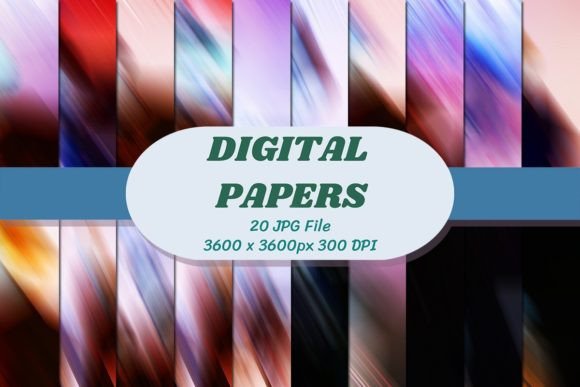
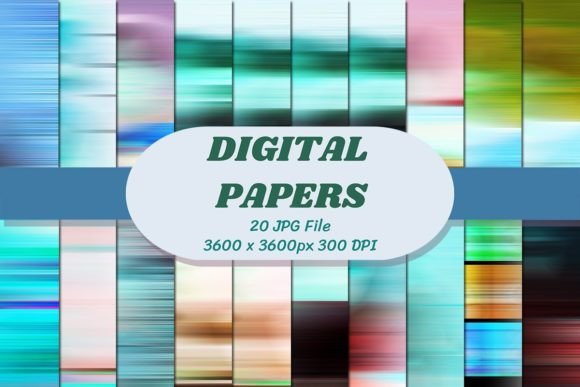
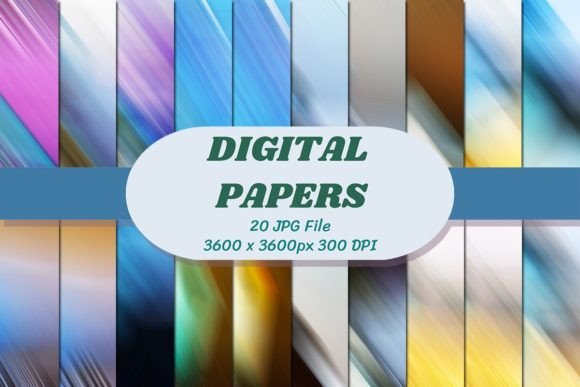
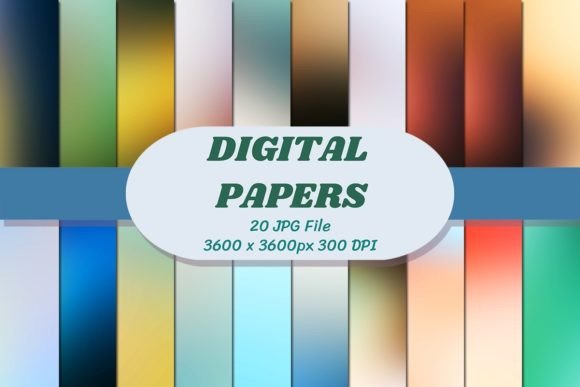
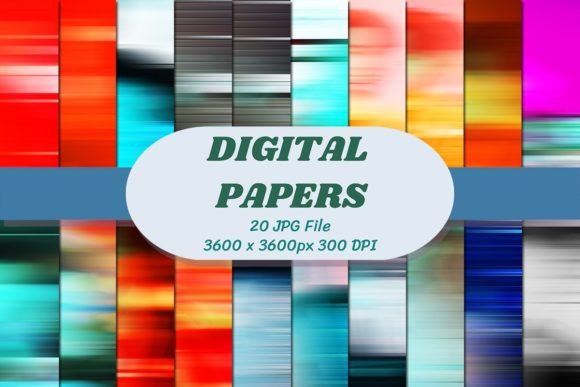
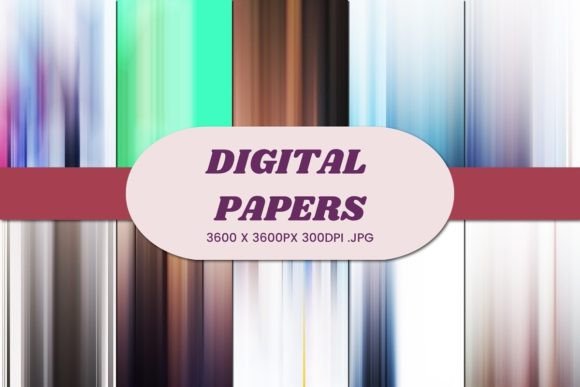
At its core, Abstract 186 Background Digital Papers offers a specialized collection of ten distinct JPG files, each meticulously rendered at a substantial 3600x3600 pixel resolution. While many standard digital papers circulate at lower resolutions suitable only for web display, this collection is engineered with a 300 DPI (dots per inch) specification. This technical detail is paramount because it ensures that the image remains crisp and free from pixelation when scaled up for large-format printing.
The abstract nature of the designs provides a neutral yet dynamic canvas. Unlike literal illustrations or photorealistic landscapes that can clash with foreground elements, abstract backgrounds offer a sophisticated texture that adds depth without competing for attention. This makes them particularly valuable for projects where the primary focus must remain on text, logos, or central imagery. The inclusion of ten variations allows for a degree of variety within a single purchase, enabling users to maintain brand consistency while avoiding visual monotony across different platforms.
Versatility Across Physical and Digital Applications
The true strength of Abstract 186 Background Digital Papers lies in its extensive cross-platform compatibility. In the modern creator economy, a single asset often needs to perform multiple functions simultaneously. This collection is explicitly designed to bridge the gap between digital marketing and tangible products.
Consider the workflow of a small business launching a new line of merchandise. Traditionally, a designer might source one background for a website banner, another for Instagram stories, and then struggle to find a third that works for sublimation printing on mugs or tumblers. With Abstract 186, the same high-resolution file can be utilized for:
- Sublimation Projects: The 300 DPI resolution is ideal for 3D sublimation tumbler wraps and 3D mug wraps. The high density of pixels ensures that the intricate details of the abstract pattern transfer sharply onto curved surfaces without blurring.
- Textile and Home Goods: When applied to T-shirts, pillows, blankets, or stickers, the background acts as a premium texture that enhances the perceived value of the final product.
- Printed Materials: From business cards and invitations to book covers and product packaging, the clarity of the 3600x3600 px files guarantees a professional finish that low-resolution alternatives cannot match.
- Digital Presence: For social media graphics, phone case designs, and scrapbooking layouts, the files provide a rich backdrop that looks stunning on high-definition mobile displays.
This multi-purpose capability reduces the need for purchasing multiple disparate assets, streamlining the design process and reducing costs for independent creators.
Comparative Analysis: Abstract 186 vs. Standard Alternatives
When evaluating Abstract 186 Background Digital Papers against other options available in the market, several key differentiators become apparent. Many competitors offer "digital papers" that are limited to 72 DPI, optimized solely for screen viewing. While adequate for a blog header, these files fail catastrophically when attempted for print applications. Attempting to print a 72 DPI image at a size larger than a few inches results in jagged edges and a loss of detail.
Furthermore, some abstract collections rely heavily on vector formats that may not capture the nuanced grain and organic feel required for certain craft projects. Others use raster images that are too compressed, leading to visible artifacts. Abstract 186 strikes a balance by providing high-quality JPEGs that retain the organic texture necessary for sublimation and fabric printing while maintaining the sharpness required for crisp typography overlay.
Another common limitation in alternative products is the lack of variety within a pack. Often, a buyer receives ten files that look nearly identical, forcing them to seek additional purchases for diversity. The ten distinct files in this collection offer enough variation to support a full campaign—from a wedding invitation series to a cohesive set of product tags—without requiring the user to hunt for supplementary assets.
Evaluating Strengths and Tradeoffs
No single resource is perfect for every scenario, and a balanced evaluation of Abstract 186 Background Digital Papers requires acknowledging both its advantages and its limitations.
The primary strength is undoubtedly the resolution and print readiness. The 3600x3600 px dimension at 300 DPI places this collection in the upper tier of digital assets, making it suitable for professional commercial use. This is a significant advantage over free or low-cost alternatives that often require time-consuming upscaling, which can degrade image quality.
However, there are tradeoffs to consider. As a JPG format, the files are raster-based, meaning they do not scale infinitely like vector graphics. If a user intends to create a billboard-sized print, they would still need to ensure the specific dimensions of the 3600px width meet their requirements. Additionally, while the abstract style is versatile, it may not suit brands seeking highly specific thematic imagery, such as holiday-specific patterns or literal nature scenes. In those cases, a more targeted collection would be preferable.
Another factor is the learning curve for sublimation wrapping. While the files are high resolution, successful application on 3D objects like tumblers requires software capable of mapping flat images onto cylindrical surfaces. Users familiar with 3D wrap tools will find Abstract 186 immediately compatible, whereas beginners may need to invest time in learning the mapping process.
Decision Factors: When to Choose Abstract 186
Deciding whether Abstract 186 Background Digital Papers fits your needs depends largely on your specific project goals and the stage of your creative process. This resource is an excellent choice if you prioritize quality over quantity and need assets that can transition seamlessly between digital and physical mediums.
If you are a graphic designer building a portfolio or a maker selling on platforms like Etsy, the ability to offer high-quality, professionally printed items is a competitive advantage. The clean, abstract aesthetic appeals to a broad demographic, making it safe for general commercial use without risking copyright issues associated with stock photography.
Conversely, if your project involves complex illustration work where the background needs to be fully editable or broken down into individual vector elements, this JPG collection might not be the optimal starting point. Similarly, if you require a very specific color palette that does not align with the abstract tones provided, you may need to supplement this with custom coloring tools or different assets.
Maximizing Value Through Strategic Use
To get the most out of this collection, creators should approach it with a strategic mindset. Instead of using the files as static backgrounds, consider layering them. The high resolution allows for blending modes, opacity adjustments, and texture overlays that can create entirely new visual effects. For instance, using an abstract paper from the set as a base for a watercolor overlay can result in a unique, handcrafted look that stands out in a saturated market.
Additionally, the versatility extends to branding. Using consistent abstract textures across business cards, letterheads, and social media headers creates a cohesive brand identity. The uniformity of the 300 DPI standard ensures that whether a customer views the brand online or holds the physical card, the quality perception remains high.
Ultimately, Abstract 186 Background Digital Papers serves as a robust tool for the modern creator. It addresses the practical challenges of resolution, format compatibility, and design flexibility. By offering a high-fidelity foundation, it empowers users to focus on creativity rather than technical limitations. For those willing to leverage its strengths in sublimation, print, and digital design, it represents a valuable investment in the quality of their output.