Abstract 159 Background Digital Papers: A Comprehensive Evaluation
In the rapidly evolving landscape of digital design and print-on-demand services, creators often face a common challenge: sourcing high-quality, versatile textures that can elevate a project without dominating it. Abstract 159 Background Digital Papers has emerged as a specific solution within this market, offering a collection of high-resolution assets designed for broad application. This evaluation explores the utility, technical specifications, and practical applications of this digital asset to help designers, crafters, and business owners determine if it aligns with their specific workflow requirements.
Understanding the Product Offering
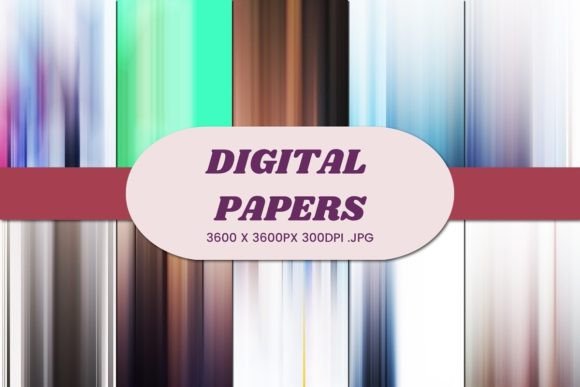
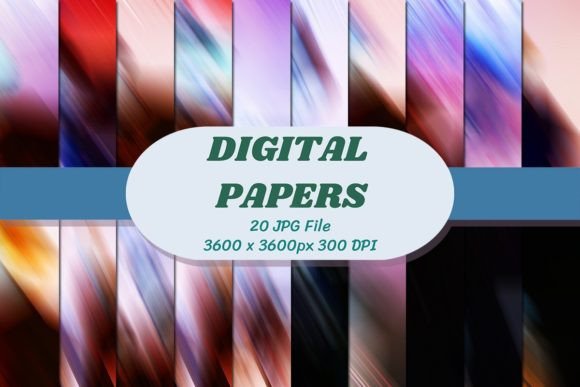
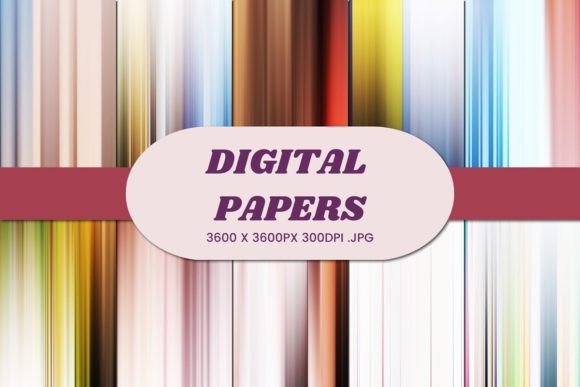
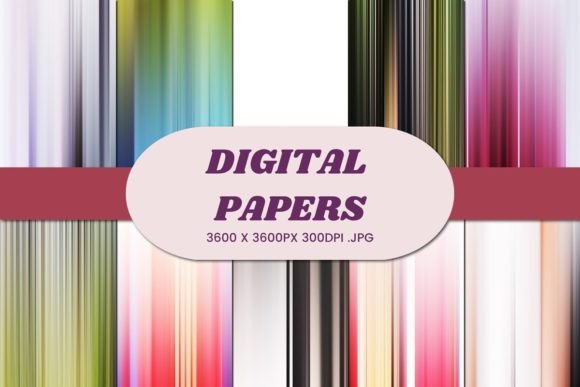
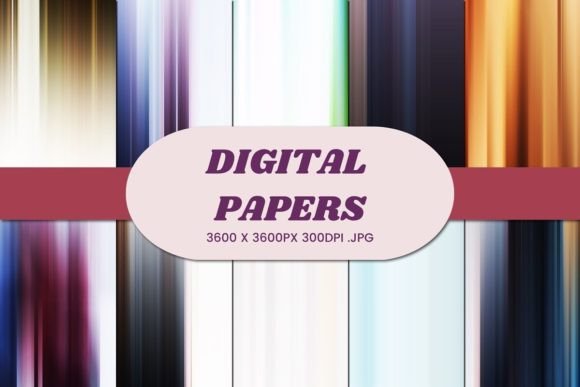
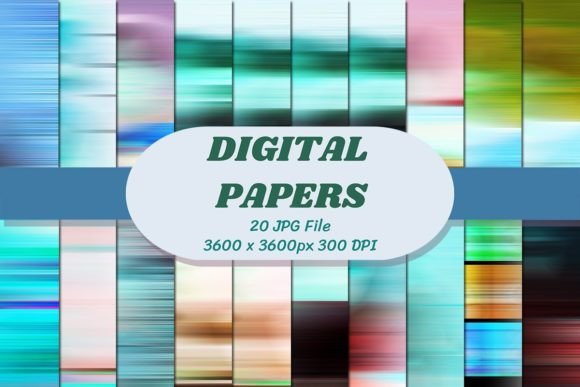
Abstract 159 Background Digital Papers is not merely a single image but a curated set of 20 distinct files. The core value proposition lies in its versatility; the product is marketed as a printable design suitable for a vast array of projects ranging from physical merchandise to digital media. Each file in the package is provided in JPG format, ensuring compatibility with almost any standard graphic editing software or printing service.
The technical specification of these files is a primary factor in their usability. With dimensions of 3600x3600 pixels, the resolution offers significant flexibility. This square format is particularly advantageous for modern social media platforms, yet the pixel density ensures that when scaled down for smaller items like stickers or phone cases, the image retains clarity. Conversely, the high resolution allows for larger prints, such as blankets or wall wallpapers, without the pixelation that often plagues lower-quality stock images.
Practical Applications and Use Cases
The strength of this collection lies in its adaptability. Users are not limited to a single niche; rather, the abstract nature of the backgrounds allows them to serve as foundational elements in diverse creative endeavors. For businesses operating in the print-on-demand sector, these papers can function as subtle backdrops for product mockups, enhancing the visual appeal of t-shirts, mugs, and pillows without competing with the primary artwork.
In the realm of crafting and scrapbooking, the high-resolution texture provides depth that flat colors cannot achieve. Designers can utilize these files for book covers, invitations, and business cards, where a unique background texture adds a layer of professionalism and tactile feel to the final print. Furthermore, the inclusion of sublimation-ready formats makes this resource particularly valuable for those producing 3D sublimation tumbler wraps or 3D mug wraps, where seamless patterns and detailed textures are critical for a polished finish.
- Merchandise Production: Ideal for creating unique designs on apparel, blankets, and accessories using sublimation techniques.
- Digital Content Creation: Perfect for social media posts, website headers, and digital invitations where visual impact is key.
- Event Planning: Suitable for wedding cards and personalized stationery, adding an artistic touch to formal communications.
- Product Packaging: Can be used to create custom branding for small business products, enhancing shelf appeal.
Benefits of High-Resolution Abstract Textures
Selecting Abstract 159 Background Digital Papers offers several tangible benefits for the end user. The most significant advantage is the time saved in searching for compatible assets. Instead of hunting for individual textures that match specific color palettes or styles, a creator gains access to a cohesive set of 20 options immediately. This efficiency is crucial for professionals working under tight deadlines.
Additionally, the high resolution (3600x3600 px) mitigates the risk of quality loss during the resizing process. In the world of print, "upscaling" low-resolution images often results in blurry edges and artifacts. Starting with a file of this size ensures that whether the output is a large-format poster or a tiny sticker, the integrity of the abstract pattern remains intact. This reliability reduces waste and rework, which are costly factors in both hobbyist and commercial projects.
Considerations and Potential Tradeoffs
While the product offers extensive utility, potential buyers must consider specific tradeoffs. The format is strictly JPG. While widely supported, JPG is a lossy compression format. For users requiring transparent backgrounds or vector scalability for infinite resizing without quality loss, this format may present limitations compared to PNG or SVG alternatives. Users will likely need to use masking tools in software like Photoshop or Canva to isolate specific elements if transparency is required.
Furthermore, the abstract nature of the design means it is a background element, not a finished logo or primary illustration. It requires complementary design work to become a complete product. For beginners who lack experience in layering text and graphics over complex backgrounds, the learning curve might be steeper than expected. The success of the final output depends heavily on the user's ability to balance the texture with other design elements to avoid visual clutter.
Situational Fit: When to Choose This Asset
This digital paper collection is a strong fit for users who prioritize texture and depth in their designs. It is particularly well-suited for:
- Sublimation Artists: Those creating tumblers, mugs, and textiles who need high-resolution wraps that withstand heat transfer processes.
- Small Business Owners: Entrepreneurs launching product lines who need professional-grade packaging and branding materials without hiring a dedicated graphic designer.
- Event Planners: Individuals organizing weddings or corporate events who require customized, high-quality invitations and decor elements.
If your workflow involves frequent resizing for various mediums—from Instagram stories to large-format banners—the 3600x3600 pixel dimension provides the necessary buffer to maintain quality across all channels.
When Alternatives May Be Worth Considering
Conversely, there are scenarios where this specific product might not be the optimal choice. If your project requires a minimalist aesthetic with solid colors or simple gradients, an abstract textured background could add unnecessary visual noise. Similarly, if you are looking for a ready-made logo or a specific illustrative element rather than a backdrop, this product does not fulfill that need.
For users focused exclusively on web design where file size optimization is paramount, the large dimensions of these JPG files might result in slower page load times if not properly compressed before upload. In such cases, a library of optimized, smaller web-specific assets might be more appropriate. Additionally, if your workflow demands non-destructive editing capabilities, vector-based background packs would offer greater flexibility than static raster images.
Decision-Making Insights
Evaluating Abstract 159 Background Digital Papers ultimately comes down to the specific goals of your project. If you need a reliable source of high-resolution textures to enhance physical products or digital content, and you have the basic skills to manipulate JPG layers, this collection represents a cost-effective solution. The inclusion of 20 variations allows for testing different styles before committing to a final design direction.
To make the right decision, assess your current inventory of assets. Do you already possess similar textures? If so, the marginal benefit of purchasing this set decreases. However, if you frequently encounter issues with pixelation or lack variety in your background resources, investing in a high-resolution pack like this can streamline your production process. By understanding the strengths of the 3600x3600 resolution and the limitations of the JPG format, you can effectively integrate these digital papers into your workflow to produce professional, cohesive results.