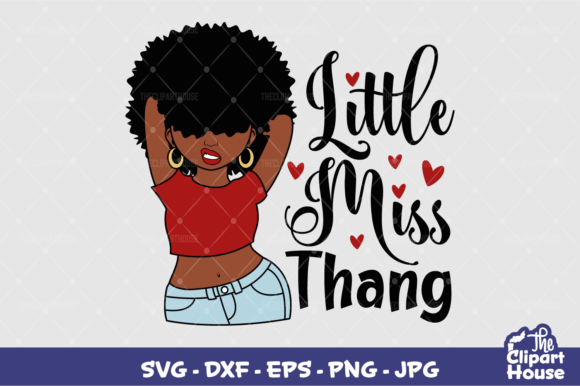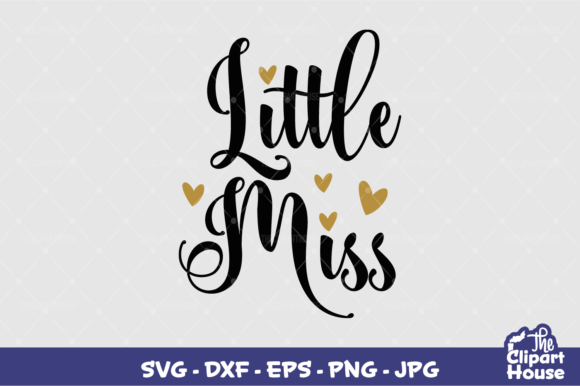
Little Miss: The Versatile Design for Every Cutting Machine Project
If you are looking to add a touch of whimsy and personality to your next crafting project, Little Miss is the design you need. This charming graphic is not just another clipart image; it is a versatile asset designed specifically for modern digital crafting. Whether you own a Cricut Explore, Silhouette Cameo, or any other compatible cutting machine, this file suite offers the flexibility required to bring your ideas to life. From custom apparel to intricate party invitations, the potential applications are vast, making it a staple in the toolkit of creators ranging from hobbyists to small business owners.
However, acquiring the right files is only half the battle. Many users jump straight into cutting without understanding the nuances of file formats or licensing terms, often leading to frustrating results. To ensure your projects look professional and last long, it is crucial to understand what makes Little Miss suitable for various mediums and how to avoid common pitfalls that can ruin your work.
Understanding the File Suite and Compatibility
One of the most significant mistakes beginners make is assuming all digital files are created equal. When you purchase the Little Miss collection, you are not just getting a single image; you receive a comprehensive package designed to maximize compatibility across different software and hardware ecosystems. The bundle includes an SVG, PNG, JPEG, EPS, and DXF file. Each serves a distinct purpose, and using the wrong one can compromise the quality of your final product.
The SVG (Scalable Vector Graphic) is the gold standard for cutting machines like Cricut and Silhouette. It allows you to resize the design infinitely without losing any detail. If you attempt to cut a rasterized image (like a low-resolution JPEG) on a vinyl cutter, the machine may struggle to follow the path, resulting in jagged edges or incomplete cuts. Conversely, if you are printing stickers or creating digital assets for a website, the high-resolution PNG with its transparent background is your best choice. The EPS and DXF files are essential for those who use vector editing software like Adobe Illustrator or CorelDRAW, allowing for advanced manipulation before sending the design to the printer or cutter.
A common error involves trying to force a file type into a workflow it wasn't intended for. For instance, using a JPEG for heat transfer printing often leads to poor adhesion because the lack of transparency forces you to include a white box around the design, which looks unprofessional. Always match the file format to the end goal: vector for cutting, raster for printing.
Navigating Licensing and Commercial Use
Perhaps the most critical aspect of purchasing digital designs is understanding the legal boundaries. A frequent misunderstanding among new entrepreneurs is the belief that buying a digital file grants them unlimited rights to sell the original image as-is. This is incorrect. The terms for Little Miss explicitly state that while limited commercial use is permitted, reselling or redistributing the original files is strictly prohibited.
This distinction is vital for protecting both the creator, The Clipart House, and your own business reputation. If you plan to create physical products, such as t-shirts, mugs, or jewelry featuring Little Miss, you are generally safe to sell those finished items. However, you cannot upload the raw SVG or PNG to a stock photo site or sell the digital file itself. Failing to adhere to these terms can lead to legal issues and damage your standing within the crafting community.
To avoid this mistake, always read the Terms of Personal Small Business Use carefully before launching a product line. If you are unsure about a specific use case, reaching out to the seller via message is a prudent step. This proactive approach ensures you remain compliant and builds trust with your customers, who expect ethical sourcing for the goods they buy.
Optimizing for Heat Transfer and Stickers
When applying Little Miss to clothing or accessories, the method of application determines the durability and aesthetic appeal. A common oversight is ignoring the material properties of the vinyl or paper being used. For heat transfer printing, the design must be mirrored correctly before cutting. If you forget to mirror the image, the text or orientation will appear backwards on the final garment, rendering it useless.
Furthermore, the quality of the transfer depends heavily on the preparation of the surface. Many users apply iron-on vinyl directly onto dirty or synthetic fabrics without proper testing. While Little Miss provides the perfect design, poor application techniques can cause peeling or cracking after a few washes. Always pre-press your fabric to remove moisture and wrinkles, and ensure you are using the correct temperature and pressure settings recommended by the vinyl manufacturer.
For sticker production, the choice between printable vinyl and regular paper is key. Printable vinyl offers water resistance and durability, making it ideal for water bottles or laptops. Regular paper is cost-effective for temporary labels or party favors but will degrade quickly if exposed to moisture. Do not assume one size fits all; evaluate where the sticker will be used and select the appropriate substrate accordingly.
Maximizing Efficiency and Quality Control
Efficiency in crafting is about more than just speed; it is about reducing waste and frustration. A frequent inefficiency arises from downloading the files but failing to extract them properly. The bundle comes compressed in a ZIP file to protect integrity during download. Users who attempt to open these files without a zip program or similar extraction tool will find themselves unable to access their assets. This simple step is often overlooked, causing unnecessary delays.
Once extracted, take a moment to inspect the layers in your design software. Complex designs sometimes contain hidden layers or grouping elements that can interfere with cutting paths. Ungrouping the Little Miss design allows you to isolate specific elements if you wish to colorize parts of the character separately or resize individual components. Skipping this check can result in a cut where the entire design moves at once, rather than the precise details you intended.
Another area where users often stumble is in the evaluation of resolution. Before committing to a large print run for invitations or business cards, always perform a test print at the actual size. Digital screens display colors differently than printers, and what looks vibrant on your monitor might appear dull on paper. Adjusting your color profiles beforehand saves money on wasted materials and ensures your Little Miss designs pop off the page.
Choosing the Right Path for Your Project
Ultimately, the success of your project depends on thoughtful planning. Whether you are creating a personalized gift for a friend, designing stationery for a wedding, or building a brand identity for a small business, Little Miss offers a reliable foundation. By selecting the correct file format, respecting licensing agreements, and paying attention to application details, you can avoid costly errors and produce high-quality results.
Remember that the goal is not just to complete a task, but to create something that stands the test of time. Take the extra time to verify your settings, check your materials, and follow the provided instructions. With the right approach, the versatility of Little Miss becomes a powerful tool in your creative arsenal, enabling you to produce everything from custom jewelry to eye-catching marketing materials with confidence and ease.