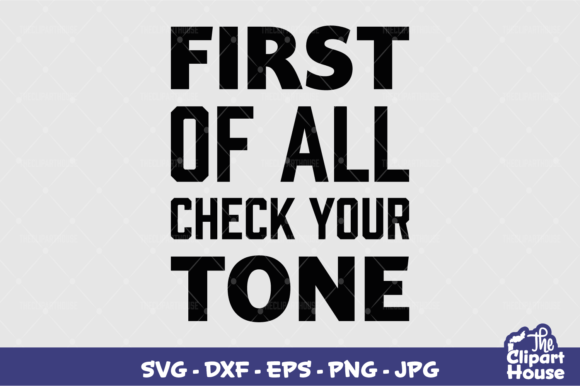
First of All Check Your Tone: The Essential Design Principle for Modern Crafting and Small Business Branding
In the rapidly evolving landscape of digital design and small business entrepreneurship, the phrase First of All Check Your Tone has emerged as more than just a catchy slogan; it is a fundamental directive for creators who want their work to resonate. Whether you are a seasoned graphic designer or a freelancer launching your first boutique brand, understanding the emotional and visual weight of your content is the first step toward success. This principle serves as the cornerstone for creating assets that are not only visually appealing but also strategically aligned with your audience's expectations.
When we talk about checking your tone in the context of modern creative tools, we are referring to the deliberate selection of style, voice, and aesthetic that communicates the right message before a single word is read. For professionals utilizing cutting-edge technology like Cricut and Silhouette machines, this concept translates directly into how designs are executed on physical products. A misaligned tone can turn a potential bestseller into an unsellable item, while a perfectly calibrated tone can elevate a simple sticker into a powerful brand ambassador.
The Intersection of Digital Files and Physical Reality
The journey from a digital idea to a tangible product begins with the file format. Today's market demands versatility. Professionals no longer settle for a single output; they require comprehensive suites that adapt to various workflows. When you purchase a high-quality design package, you are typically receiving a collection of formats designed to maximize utility:
- SVG File: The industry standard for vector-based cutting machines, allowing for infinite scalability without loss of quality.
- PNG File: Perfect for direct printing on inkjet printers or use in web graphics where transparency is required.
- JPEG File: Ideal for quick previews and basic image editing tasks.
- EPS File: A robust vector format preferred by professional print shops and advanced design software.
- DXF File: Essential for compatibility with specific CAD software and industrial cutting plotters.
However, having these files is only half the battle. To extract and utilize them effectively, users must employ a zip program or similar compression tool. Once extracted, the true test of the design lies in its application. Does the design look appropriate for heat transfer printing? Is the typography legible when applied to clothing? These questions force the creator to first of all check your tone. If the design is too intricate for a heat press, or if the font choice clashes with the intended garment style, the technical perfection of the file becomes irrelevant.
Bridging Trends: From Home Crafts to Professional Enterprises
The rise of the "creator economy" has blurred the lines between hobbyist crafting and professional manufacturing. Platforms like Etsy and Shopify have democratized access to global markets, allowing individuals to sell everything from custom invitations to specialized jewelry. In this competitive environment, the ability to curate a cohesive brand identity is paramount. This is where the concept of tone becomes critical.
Consider the trend of personalized stationery and party supplies. A client looking for wedding invitations expects a tone of elegance, romance, and sophistication. Conversely, a parent planning a child's birthday party seeks a tone of whimsy, energy, and fun. If a designer uses a bold, aggressive font for a baby shower invitation, the mismatch in tone will result in a rejected order, regardless of the file quality. By prioritizing tone, creators ensure that their products meet the emotional needs of their customers.
This shift is also evident in the realm of business cards and website designs. Entrepreneurs are moving away from generic templates in favor of unique, handcrafted elements that reflect their personal brand story. When using cutters like Silhouette or Cricut to create custom branding materials, the designer must ask: Does this design convey professionalism? Does it feel approachable? The answer dictates the entire production process.
Practical Applications Across Diverse Industries
The versatility of modern printable formats allows for applications across a wide spectrum of industries. Let's explore how checking your tone impacts specific sectors:
Clothing and Apparel
Heat transfer printing and iron-on applications are staples of the apparel industry. However, the tone of the design must match the fabric and the occasion. A motivational quote printed on a gym shirt should feel empowering and energetic, often utilizing blocky, strong fonts. The same quote printed on a silk blouse would require a delicate, script-style tone to maintain the garment's luxury feel. Failing to adjust the tone for the medium can make a high-quality design appear cheap or out of place.
Stationery and Invitations
In the world of events, tone is the primary driver of guest experience. Invitations set the stage before the event even begins. Whether it is a corporate gala or a casual backyard BBQ, the typography, color palette, and imagery must align with the event's atmosphere. Creators offering downloadable files for these purposes must provide options that cater to these distinct tonal requirements.
Stickers and Party Supplies
Stickers are perhaps the most versatile tool for self-expression. They are used on laptops, water bottles, and journals. The tone here ranges from humorous and irreverent to inspirational and minimalist. As consumers seek to personalize their belongings, the demand for stickers that accurately reflect their personality is at an all-time high. A sticker that fails to capture the user's intended vibe simply won't stick around in their collection.
Jewelry and Business Cards
Even in high-value items like jewelry packaging or business cards, tone plays a subtle yet powerful role. Luxury brands rely on a tone of exclusivity and refinement, often achieved through negative space and serif fonts. Startups might opt for a tone of innovation and disruption, utilizing sans-serif fonts and vibrant colors. The ability to switch between these tones quickly gives businesses a significant advantage in the marketplace.
Navigating Usage Rights and Ethical Design
As the demand for digital assets grows, so does the importance of understanding licensing and usage rights. Purchasing a design file grants you specific privileges, but it does not grant ownership of the intellectual property itself. It is crucial to acknowledge that clipart SVG files are generally intended for personal use and limited commercial use. This distinction protects the original creators while allowing buyers to generate income through their own products.
Reselling or redistributing the original files is strictly prohibited. This rule ensures that the ecosystem remains sustainable for designers who invest time and creativity into their work. Instead, the value lies in transforming these files into unique end-products. Whether you are creating a batch of t-shirts, a series of wedding invitations, or a line of branded stickers, the final product must be your own creation, built upon the foundation of the licensed asset.
For those operating within a small business framework, clear communication regarding terms of use is essential. By purchasing and downloading a product, you acknowledge that you have read, understood, and agreed to the Terms of Use. This agreement fosters trust between the buyer and the seller, ensuring a fair marketplace where creativity is respected and protected.
Future-Proofing Your Creative Workflow
Looking ahead, the integration of AI and automated design tools will likely change how we approach tone. While technology can generate images and layouts instantly, it cannot replicate the human nuance required to truly understand an audience's emotional state. The ability to first of all check your tone will become an even more valuable skill as automation takes over the mechanical aspects of design.
Professionals who master the art of tonal alignment will find themselves at the forefront of the industry. They will be the ones who can take a generic template and infuse it with a unique personality that connects deeply with customers. This requires a deep understanding of psychology, culture, and market trends. It is not enough to know how to operate a machine; one must know why they are designing what they are designing.
Ultimately, the success of any project—from a simple sticker to a complex business rebrand—depends on the harmony between the design and its intended purpose. By prioritizing tone, leveraging the full range of available file formats, and respecting the ethical guidelines of the industry, creators can build lasting brands that stand out in a crowded digital and physical marketplace.
If you have any questions regarding the specific application of these designs or need further clarification on usage rights, feel free to send a message to the support team. Remember, © The Clipart House. All website content is the property of The Clipart House, dedicated to empowering creators with the tools they need to succeed.