Designing with Warmth: The Versatility of Light Brown and Dark Brown Baby Papers
In the realm of digital design, color palettes often dictate the emotional resonance of a project. While bright primaries capture attention, earthy tones evoke stability, comfort, and organic beauty. Among these, light brown and dark brown baby papers have emerged as a sophisticated choice for creators seeking to blend modern aesthetics with timeless warmth. This specific combination offers a neutral yet rich foundation that works seamlessly across various mediums, from high-end stationery to intricate scrapbook layouts.
The availability of high-resolution digital assets in this palette has transformed how professionals and hobbyists approach their craft. Whether you are designing a nursery invitation or creating a custom brand identity, the texture and depth provided by these tones add a layer of authenticity that flat colors cannot achieve. Understanding the full potential of light brown and dark brown baby background options requires looking beyond simple color selection to the practical applications and creative workflows they enable.
The Aesthetic Power of Earthy Neutrals
Color theory suggests that browns are derived from orange mixed with black or blue, resulting in a spectrum that feels grounded and natural. When applied to baby-themed designs, light and dark variations create a gentle contrast that is visually soothing without being monotonous. The light brown and dark brown baby patterns found in digital paper packs serve as a bridge between the softness associated with infancy and the structural integrity needed for professional output.
Unlike stark whites or pastels that can sometimes feel clinical or overly sweet, the brown spectrum introduces a sense of maturity and elegance. Light brown tones often mimic the warmth of sand, parchment, or soft wood, while dark brown shades provide the necessary weight to anchor a composition. This duality allows designers to create hierarchy within a layout without resorting to aggressive contrasts. For educators and researchers studying visual perception, these combinations demonstrate how low-saturation hues can maintain engagement while reducing eye strain.
Furthermore, the versatility of these tones means they pair effortlessly with other colors. They act as a perfect canvas for pops of sage green, dusty pink, mustard yellow, or navy blue. This adaptability makes them a staple resource for anyone needing a cohesive look across multiple touchpoints, such as a wedding suite, a corporate event, or a personal hobby project.
Comprehensive Digital Assets for Creative Projects
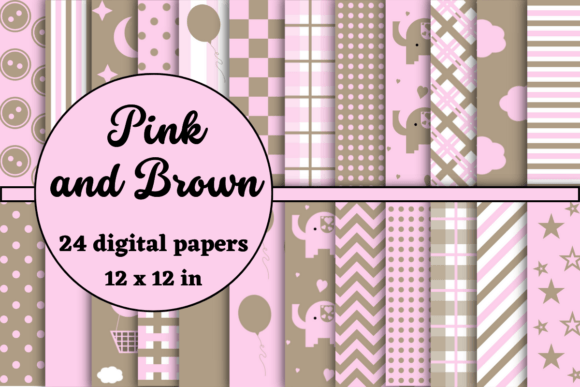
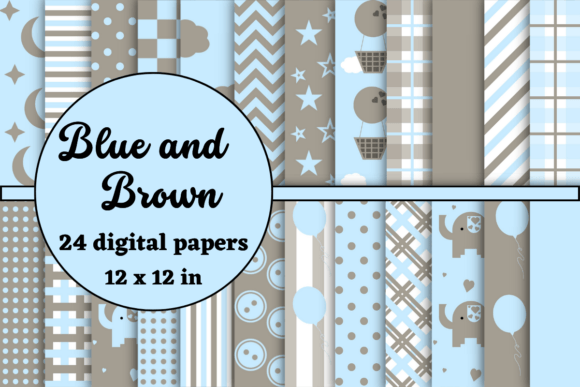
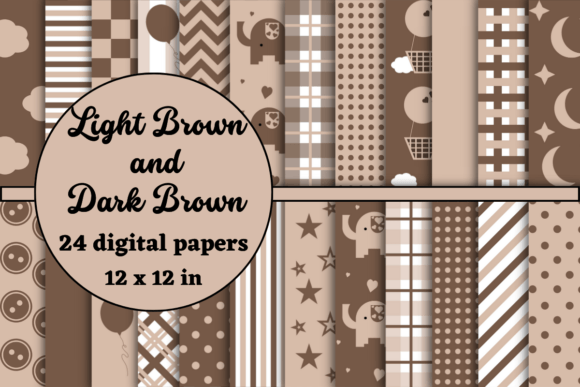
The transition from physical to digital crafting has opened new avenues for precision and efficiency. Modern digital paper packs, such as those containing 24 distinct JPEG files, offer immediate access to high-quality textures. Each file in a typical set is saved separately, ensuring that users can easily drag and drop specific elements into their preferred software without compromising resolution.
When working with a collection of light brown and dark brown baby papers, the size specification of 12in x 12in is particularly significant. This standard dimension aligns perfectly with the requirements of most cutting machines, photo editing software, and print-on-demand services. It eliminates the need for time-consuming resizing, which can often lead to pixelation or loss of detail. The ability to receive a ZIP file containing 24 unique designs ensures that a creator has enough variety to complete a large-scale project without running out of thematic consistency.
The format itself, JPEG, provides a balance between file size and quality that is ideal for both web display and printing. While vector formats offer infinite scalability, the raster nature of these high-resolution images captures subtle grain, texture, and gradient shifts that are characteristic of real paper. This tactile quality is essential when the goal is to replicate the feeling of traditional craftsmanship in a digital environment.
Diverse Applications Across Industries
The utility of these digital papers extends far beyond simple decoration. Their application spans a wide array of industries, each leveraging the unique properties of the brown palette to meet specific functional needs.
- Event Planning and Stationery: One of the most common uses for light brown and dark brown baby background resources is in the creation of invitations and save-the-dates. The warm tones suggest an intimate, homey atmosphere, making them ideal for gender-neutral baby showers, rustic-themed parties, or elegant adult gatherings. Designers can layer text over these backgrounds to create custom invites that stand out on social media feeds.
- Business Identity and Branding: Entrepreneurs often seek to convey reliability and organic values through their branding. Using these papers for business cards, letterheads, or packaging can communicate a commitment to sustainability and natural ingredients. The contrast between the light and dark shades allows for clear separation of information while maintaining a unified brand aesthetic.
- Scrapbooking and Memory Keeping: For hobbyists and families, light brown and dark brown baby patterns provide the perfect backdrop for preserving memories. Scrapbook pages benefit from the textured look of digital papers, which mimic the feel of cardstock and kraft paper. Stickers, journaling cards, and decorative borders can be easily created using these assets to document a child's growth in a visually appealing way.
- Gift Wrapping and Packaging: In the retail sector, presentation is key. Customizing gift wrapping with these themes adds a personal touch that mass-produced options lack. Businesses can use the digital files to print bespoke wrapping paper or create tags that complement their product lines, enhancing the unboxing experience.
- Digital Planners and Organization: The rise of digital planning has created a demand for aesthetically pleasing templates. These brown tones are excellent for planners, journals, and productivity tools because they reduce glare on screens compared to pure white backgrounds. Users can incorporate these patterns into their daily schedules to create a calming workspace.
- Home Decor and Wall Art: DIY enthusiasts utilize these papers to create acrylic tumbler wraps, framed prints, and wall decals. The 12x12 inch size is convenient for framing standard photos or creating collages. The neutral palette ensures that the artwork fits into existing decor schemes, whether modern farmhouse or mid-century modern.
Workflow Efficiency for Professionals and Hobbyists
For professionals managing multiple clients, efficiency is paramount. The structure of a digital paper pack, specifically one organized as a ZIP file with separate JPEGs, streamlines the workflow significantly. Instead of hunting for individual textures or waiting for physical samples to arrive, a designer can instantly import the entire library into their design stack.
This accessibility supports rapid prototyping. A graphic designer can quickly test different background variations to see how text legibility holds up against light brown and dark brown baby papers. If a client requests a change in mood, the designer can swap a dark brown pattern for a lighter one with a single click, saving hours of manual adjustment. This flexibility is crucial for meeting tight deadlines while maintaining high standards of quality.
Similarly, for small business owners and educators, the ease of use lowers the barrier to entry for creating professional-grade materials. Teachers can print worksheets or classroom decorations that are engaging and age-appropriate. Small business owners can produce marketing materials that look polished without hiring an expensive design agency. The democratization of high-quality design assets empowers individuals to execute complex projects with confidence.
Considerations for Print and Digital Output
While digital papers offer immense convenience, there are practical considerations to ensure the final output meets expectations. When preparing light brown and dark brown baby patterns for print, it is important to verify the color profile. Although JPEGs are generally sRGB compatible, professional printers may require CMYK conversion for accurate color reproduction. The rich depth of dark brown can sometimes appear muddy if not calibrated correctly, so proofing a sample is always recommended.
On the digital side, optimizing image size for web use is essential. Large 12x12 inch files at high resolution are perfect for printing but can slow down website loading times if used directly in HTML. Compressing these images for web display without sacrificing the visible texture is a key skill for web designers. Additionally, understanding the difference between screen brightness and print ink absorption helps in choosing the right shade of brown for the intended medium.
Another consideration is the longevity of the file. Since these assets are often purchased once and reused many times, storing them in an organized folder structure is vital. Naming conventions should reflect the specific pattern or tone (e.g., "Light_Brown_Pattern_01.jpg") to facilitate quick retrieval during future projects. This organizational discipline pays dividends in long-term productivity.
Conclusion
The integration of light brown and dark brown baby papers into creative workflows represents a shift towards more nuanced, emotionally resonant design. By offering a versatile palette that balances warmth with structure, these digital assets cater to a broad audience ranging from commercial businesses to individual hobbyists. Whether utilized for creating invitations, enhancing stationery, or designing custom gifts, the value lies in the ability to produce high-quality, cohesive visuals with minimal friction.
As the demand for personalized and meaningful design continues to grow, the importance of having a robust library of digital papers becomes increasingly apparent. The 24-piece collection, with its separate JPEG files and standard 12x12 dimensions, provides a comprehensive toolkit that supports diverse applications. From the tactile appeal of scrapbook decorations to the sleek functionality of business cards, these papers prove that earthy tones remain a powerful tool in the modern designer's arsenal. Embracing this palette allows creators to tell stories that feel authentic, grounded, and deeply connected to the world around us.