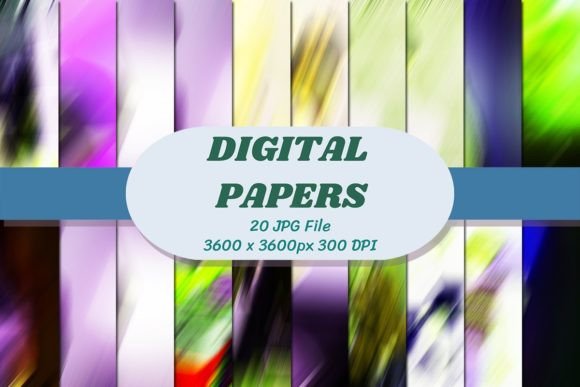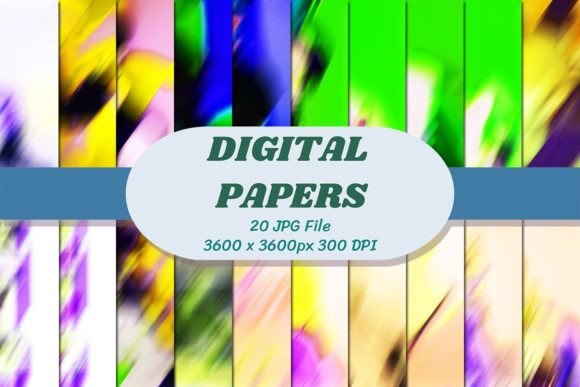
Abstract 140 Background Digital Papers: A Strategic Asset for Modern Business Design
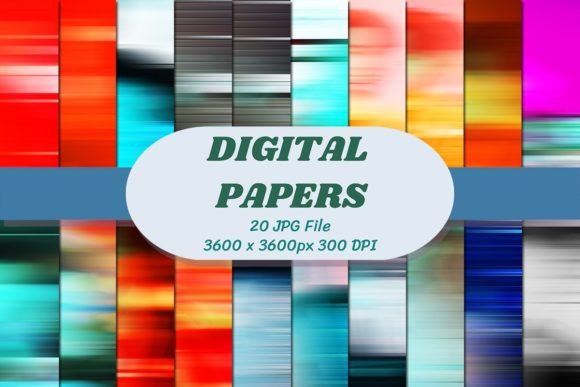
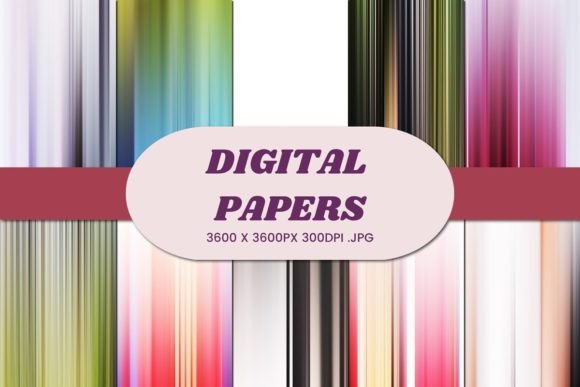
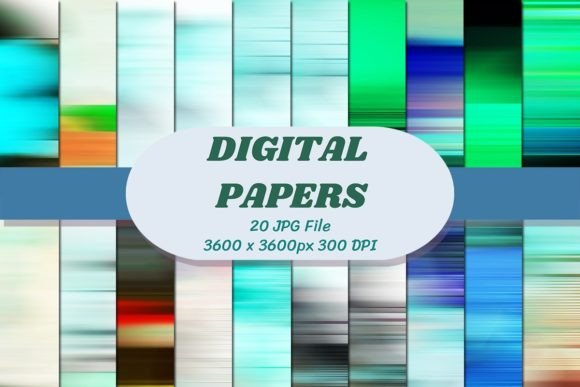
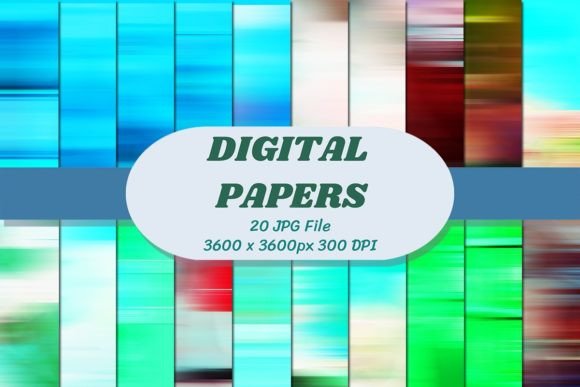
The landscape of digital commerce and creative production has shifted dramatically. For entrepreneurs, marketers, and content creators aged 20 to 50, the ability to produce high-quality visuals quickly is no longer a luxury; it is a fundamental operational requirement. Abstract 140 Background Digital Papers represents more than just a collection of images; it is a versatile toolkit designed to streamline workflows and elevate brand aesthetics across diverse platforms. By providing 20 high-resolution JPG files at 3600x3600 pixels, this asset offers the granularity needed for both massive displays and intricate print applications.
When evaluating design resources, decision-makers must look beyond surface-level appeal. The true value of Abstract 140 lies in its adaptability. Whether you are a small business owner launching a new product line or a freelancer managing multiple client accounts, the strategic deployment of these backgrounds can significantly impact your output quality and efficiency. This guide explores how to integrate these digital papers into your workflow to achieve tangible results in branding, operations, and customer engagement.
Strategic Applications Across Product Categories
The versatility of Abstract 140 Background Digital Papers allows for seamless integration into various product categories without compromising visual integrity. In the realm of physical goods, the demand for customization is at an all-time high. Sublimation printing, for instance, requires files that can withstand the heat transfer process while maintaining color vibrancy and detail. With a resolution of 3600x3600 pixels, these files ensure that when applied to items like mugs, tumblers, or pillows, the result is crisp and professional rather than pixelated or blurry.
Consider the specific needs of a tumbler wrap. A standard background often fails to account for the curvature of a cylindrical object. However, using high-resolution abstract textures as a base for 3D sublimation tumbler wraps provides a foundation that enhances depth and dimensionality. Similarly, for 3D mug wraps, the texture of the paper can mimic tactile surfaces, adding a layer of sophistication to otherwise generic merchandise. This level of detail supports premium positioning, allowing businesses to command higher price points by offering products that feel bespoke.
Beyond physical products, the utility extends to digital assets. Social media managers frequently struggle with creating cohesive feeds that stand out in crowded algorithms. Abstract backgrounds serve as powerful anchors for text overlays, promotional graphics, and story highlights. They provide the necessary contrast to make logos pop and calls to action clear. When used for book covers or phone cases, these designs offer a modern, minimalist aesthetic that appeals to contemporary tastes, helping brands differentiate themselves from competitors relying on cliché imagery.
Enhancing Brand Identity and Communication
Branding is not merely about a logo; it is about the consistent emotional response evoked by every touchpoint. Abstract 140 Background Digital Papers can be instrumental in establishing a distinct visual language. By selecting specific tones and patterns within the set, a business can reinforce its core values—whether that is innovation, stability, or creativity. For example, a tech startup might utilize sharp, geometric abstracts to convey precision, while a lifestyle blogger might choose softer, organic flows to suggest approachability.
This consistency builds trust. When a customer sees the same abstract texture on a business card, a website header, and a product package, they subconsciously recognize the brand's attention to detail. This recognition reduces cognitive load, making the consumer more likely to engage with the content. Furthermore, these backgrounds facilitate better communication by acting as a neutral canvas. They allow the message to take center stage without competing with overly busy or irrelevant photographic elements. In marketing materials, this clarity can directly influence conversion rates by guiding the viewer's eye exactly where the strategist intends.
Operational Efficiency and Workflow Optimization
For freelancers and agency owners, time is the most scarce resource. The manual creation of unique backgrounds for every project can consume hours that should be allocated to strategy or client interaction. Abstract 140 Background Digital Papers addresses this bottleneck by providing immediate access to high-quality assets. The inclusion of 20 distinct JPG files ensures that there is enough variety to prevent repetition across different campaigns or clients.
The high resolution of these files (3600x3600 px) is particularly critical for future-proofing your operations. As screen densities increase and print technologies advance, low-resolution assets become liabilities. Starting with high-fidelity sources means you can scale your projects up or down without losing quality. This flexibility supports agile planning, allowing teams to pivot strategies quickly. If a client suddenly requests a large-format print for a trade show, having the original high-res file ready eliminates the need for costly rework or delays.
Moreover, the format compatibility simplifies technical workflows. As JPG files, they are universally supported by industry-standard software like Adobe Photoshop, Illustrator, Canva, and CorelDRAW. This ubiquity reduces friction in the production pipeline, enabling smoother collaboration between designers, printers, and marketing teams. The reduction in technical barriers allows professionals to focus on the creative and strategic aspects of their work rather than troubleshooting file formats or resolution issues.
Scalability in Creative Production
One of the primary challenges in scaling a creative business is maintaining quality as volume increases. Abstract 140 supports scalability by serving as a modular component of your design system. You can use one background for a series of invitations, another for a batch of social media posts, and yet another for packaging prototypes. This modularity creates a rhythm in your output, ensuring that even during peak production times, the aesthetic remains consistent and high-caliber.
Additionally, these files are ideal for rapid prototyping. Before committing to expensive physical production runs for items like scrapbooks or custom stickers, designers can visualize concepts instantly using these digital papers. This capability facilitates faster iteration cycles, leading to better final products and reduced waste. In an era where sustainability and cost-efficiency are paramount, the ability to test and refine designs digitally before moving to physical manufacturing is a significant competitive advantage.
Risks of Unintentional Usage and Strategic Alignment
While the potential of Abstract 140 Background Digital Papers is substantial, relying on them without a clear strategy can lead to diminished returns. The most common pitfall is the indiscriminate application of designs that do not align with the brand's voice or the project's objectives. Using a chaotic, high-contrast abstract pattern for a serene wellness brand, for instance, creates dissonance that confuses the audience and weakens the brand message.
Another risk involves the dilution of uniqueness. Because these are pre-made assets available to many users, over-reliance without modification can result in generic-looking outputs. To mitigate this, designers must treat these backgrounds as starting points rather than finished products. Customization through overlaying text, adjusting opacity, or combining multiple layers is essential to create a truly distinctive look. Without this intentional manipulation, the design risks blending into the background noise of the market rather than cutting through it.
There is also the consideration of context. A background that works perfectly for a digital wallpaper may fail miserably when printed on a textured fabric for a blanket due to color shifts or scaling issues. Decision-makers must understand the specific requirements of each medium. Failing to account for color profiles (RGB vs. CMYK) or print specifications can lead to disappointing results that damage professional reputation. Therefore, a thorough understanding of the end-use case is mandatory before integrating these files into a final deliverable.
Maximizing Value Through Intentional Design
To fully leverage Abstract 140 Background Digital Papers, adopt a mindset of intentionality. Begin every project by defining the goal: Is this image meant to inform, persuade, or entertain? Once the objective is clear, select the background that best supports that narrative. Use the high resolution to your advantage by experimenting with cropping techniques that highlight specific details, creating dynamic focal points that draw the viewer in.
Integrate these assets into a broader design ecosystem. Pair them with typography that complements the mood of the abstract art. Ensure that the color palette harmonizes with existing brand guidelines. By treating the background as an integral part of the composition rather than an afterthought, you elevate the overall impact of the design. This holistic approach fosters a sense of professionalism and thoughtfulness that resonates with audiences.
Finally, view these digital papers as tools for continuous learning and experimentation. Encourage your team to explore different combinations and styles. Document what works and what doesn't, building a library of successful patterns for future reference. This iterative process not only improves the quality of your output but also deepens your understanding of visual communication. In doing so, you transform a simple collection of JPG files into a strategic engine for growth, creativity, and long-term success.